A doctor’s report, a patient’s symptoms and a timing that appears close to a COVID-19 shot can all raise the same difficult question: is there a connection, and how should it be understood?
Years after COVID-19 vaccines were first introduced, researchers are still reviewing rare health complications reported after vaccination. The vaccines have been widely credited with reducing severe illness, hospitalizations and deaths during the pandemic, but safety monitoring has continued as new reports and data are assessed.
The condition drawing continued attention
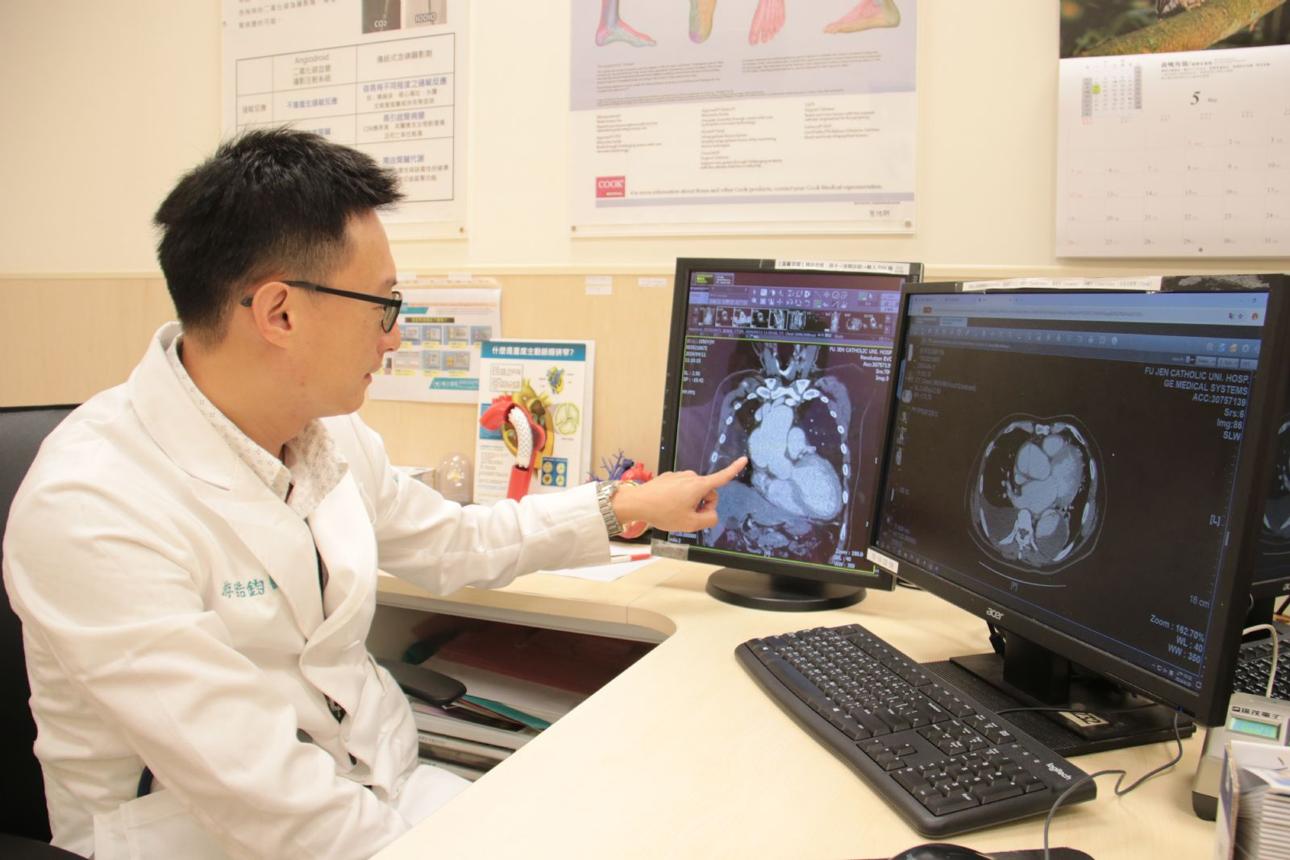
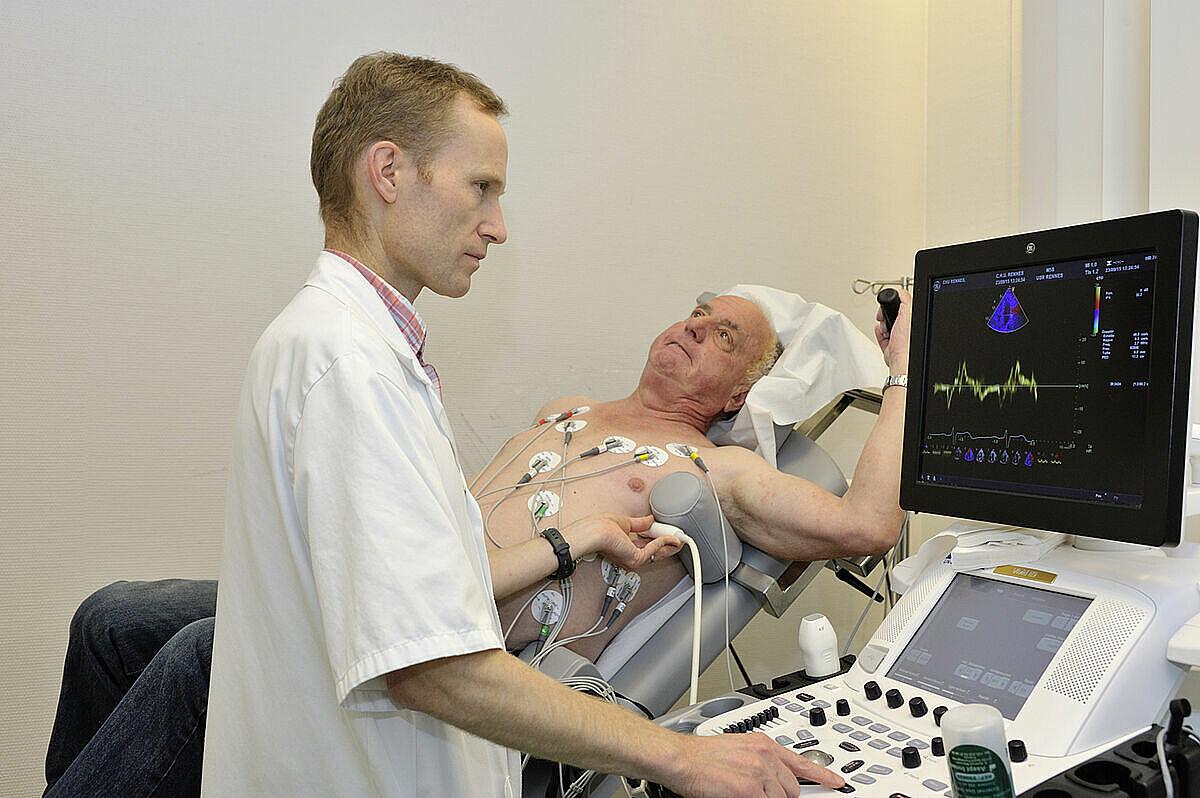
One of the most discussed concerns is myocarditis, an inflammation of the heart muscle. Documented cases have led scientists to keep studying possible links between vaccination and certain cardiovascular complications.
Health agencies in different countries monitor reports from doctors, hospitals and patients. These reporting systems are intended to detect unusual patterns that could point to side effects not previously identified or not fully understood.

Through that monitoring, rare adverse events have been associated with some vaccine types. Myocarditis is among the best-known examples, with reports observed more often in particular groups, especially younger males after receiving mRNA vaccines.
What researchers know, and what they still study
Scientists stress that finding an association does not answer every question. Ongoing research is examining how often these cases occur, why they happen and whether certain people may be more vulnerable than others.
Many reported myocarditis cases after vaccination have been described as mild. In numerous cases, patients recovered with treatment and rest. Even so, researchers continue following patients to learn more about possible long-term outcomes.
Why the risk discussion is complicated
The issue is not limited to vaccination. COVID-19 infection itself has also been linked to myocarditis and other cardiovascular problems.
That is why public health evaluations often compare the risks connected with vaccination to the risks linked with infection. For many people, the topic can be difficult to follow because personal stories circulating on social media may sound very different from population-level scientific studies.
The continuing research does not erase the established role vaccines played in reducing severe COVID-19 outcomes. It does, however, reflect how vaccine safety monitoring works: rare reports are reviewed, patterns are investigated and recommendations are weighed against the known risks of the disease itself.