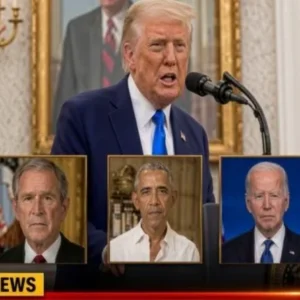
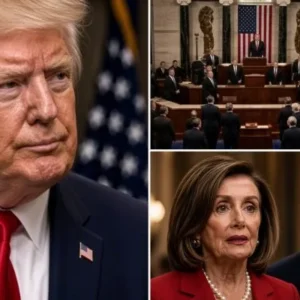
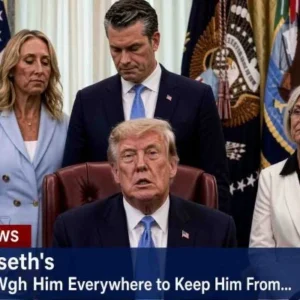
Prosecutors have filed sweeping criminal charges against Donald Trump for allegedly attempting to interfere with the 2020 election transfer of power.
Federal prosecutors have filed sweeping criminal charges against former U.S. President Donald Trump, accusing him of attempting to unlawfully interfere with the peaceful transfer of power following the 2020 presidential election. The detailed indictment outlines serious allegations including conspiracy to defraud the United States, obstruction of an official proceeding, and violations of constitutional rights tied directly to the electoral process. Legal authorities argue that these coordinated actions constituted a deliberate attempt to subvert government procedures rather than serving as protected political discourse.
This landmark case stands as one of the most critical legal challenges ever brought against a former American leader. Prominent constitutional scholars note that the ultimate resolution of this matter could fundamentally define the legal boundaries of executive authority. Furthermore, the proceedings are expected to establish vital judicial precedents regarding how far future political leaders may legally go when actively contesting certified election results.
Donald Trump and his defense team have strongly rejected all allegations, maintaining that his statements and actions remained entirely lawful. His representatives argue that his challenges to the election fell squarely under free speech protections guaranteed by the United States Constitution. Despite these defenses, the judicial process is moving forward as courts prepare to evaluate the complex intersection of presidential speech, official duties, and criminal liability.
Public reaction to the indictment remains sharply polarized across the nation as political divisions deepen. Supporters of the prosecution view these legal steps as an essential measure to enforce accountability and protect democratic institutions. Conversely, critics and supporters of the former president express deep concerns regarding the potential politicization of the criminal justice system through the use of indictments in political disputes.
The unfolding courtroom battles will undoubtedly shape the future landscape of American politics for years to come. As the legal timeline progresses toward trial, the implications will resonate far beyond the courtroom, influencing upcoming elections and redefining the standards of conduct expected from holders of the highest office in the nation.