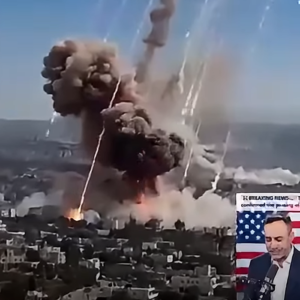
In recent days, reports have circulated describing a widening divide between the United States and several of its traditional allies over a proposed military campaign against Iran—referred to in some accounts as “Operation Epic Fury.” While the name itself remains unverified in official channels, the broader narrative reflects a familiar and important geopolitical reality: when tensions escalate in the Middle East, global powers often reassess their priorities carefully before committing to military action.
A Noticeable Shift in Allied Responses
Historically, the United States has relied on strong backing from allies such as United Kingdom, Germany, and Italy during major international conflicts. However, recent signals suggest a more cautious approach.
Leaders in these countries appear reluctant to engage in another prolonged military operation, especially one that could destabilize an already volatile region. Instead of immediate commitments of troops or military assets, many governments are emphasizing diplomacy, de-escalation, and multilateral dialogue.
For example, policymakers in the United Kingdom have increasingly prioritized diplomatic channels over direct confrontation. Similarly, Germany and Italy have stressed the importance of avoiding escalation, reflecting broader public sentiment across Europe that favors restraint over intervention.
Southern and Eastern Europe: Strategic Caution
Countries like Greece, while geographically closer to potential conflict zones, are also exercising caution. Their governments must weigh not only alliance obligations but also regional stability, economic interests, and domestic political pressures.
This collective hesitation marks a significant evolution in transatlantic relations. Rather than automatic alignment with Washington, European nations are demonstrating a more independent decision-making process—one shaped by recent history, including long and costly engagements in places like Iraq and Afghanistan.
Asia-Pacific Allies: Watching and Waiting
Beyond Europe, key U.S. partners in the Asia-Pacific region are similarly measured in their responses.
Australia, a longstanding military ally, has reportedly refrained from committing naval forces. South Korea has taken a consultative approach, emphasizing the need for further discussion rather than immediate action.
Meanwhile, Japan is closely monitoring developments with a focus on economic stability—particularly the security of vital shipping routes like the Strait of Hormuz. China, although not a U.S. ally, plays a crucial role in the region and is also prioritizing economic and strategic calculations over military involvement.
These responses highlight a shared concern: any escalation involving Iran could disrupt global trade, energy supplies, and regional security.
A Notable Exception
Amid widespread hesitation, Ukraine has been mentioned in some reports as expressing a willingness to provide support. While details remain unclear, such a stance—if confirmed—would stand in contrast to the more cautious positions of wealthier and more stable nations.
Ukraine’s geopolitical situation, including its reliance on international partnerships, may influence its approach to global conflicts. However, without official confirmation, the extent and nature of any support remain speculative.
The Broader Implications
The emerging pattern of reluctance reflects a deeper shift in global politics. Allies are no longer automatically aligning with U.S. military initiatives; instead, they are evaluating each situation through the lens of national interest, public opinion, and long-term risk.
This shift can be attributed to several factors:
War fatigue: After decades of conflict in the Middle East, many countries are wary of new ռազմական commitments.
Economic concerns: Disruptions to oil supplies and trade routes could have global repercussions.
Domestic politics: Leaders face pressure from citizens who increasingly favor diplomacy over war.
Strategic independence: Nations are asserting more autonomy in foreign policy decisions.
The Role of Political Messaging
Statements attributed to Donald Trump—including warnings that allied decisions “will not be forgotten”—underscore the political dimension of the situation. Such rhetoric can influence diplomatic relationships, potentially creating tension between the United States and its partners.
At the same time, these dynamics illustrate how international alliances are evolving. Loyalty is no longer expressed solely through military participation; it can also take the form of diplomatic support, humanitarian aid, or strategic restraint.
A Moment of Recalibration
Whether or not the reported operation materializes, the current discourse reveals an important moment of recalibration in global alliances. Countries are redefining what partnership means in an increasingly complex world.
For the United States, this could signal a need to adapt its approach—balancing leadership with collaboration and recognizing that allies may choose different paths based on their own priorities.
For the international community, the situation serves as a reminder that modern conflicts are rarely approached with the same unity seen in past decades.
Conclusion
The reported reluctance of multiple countries to engage in a potential conflict with Iran highlights a changing geopolitical landscape. While the United States remains a central global power, its allies are demonstrating greater independence and caution.
As events continue to unfold, the focus will likely remain on diplomacy, economic stability, and efforts to prevent escalation. In a world shaped by interconnected risks, the decisions made today will influence not only immediate outcomes but also the future of international cooperation.